

 Previous
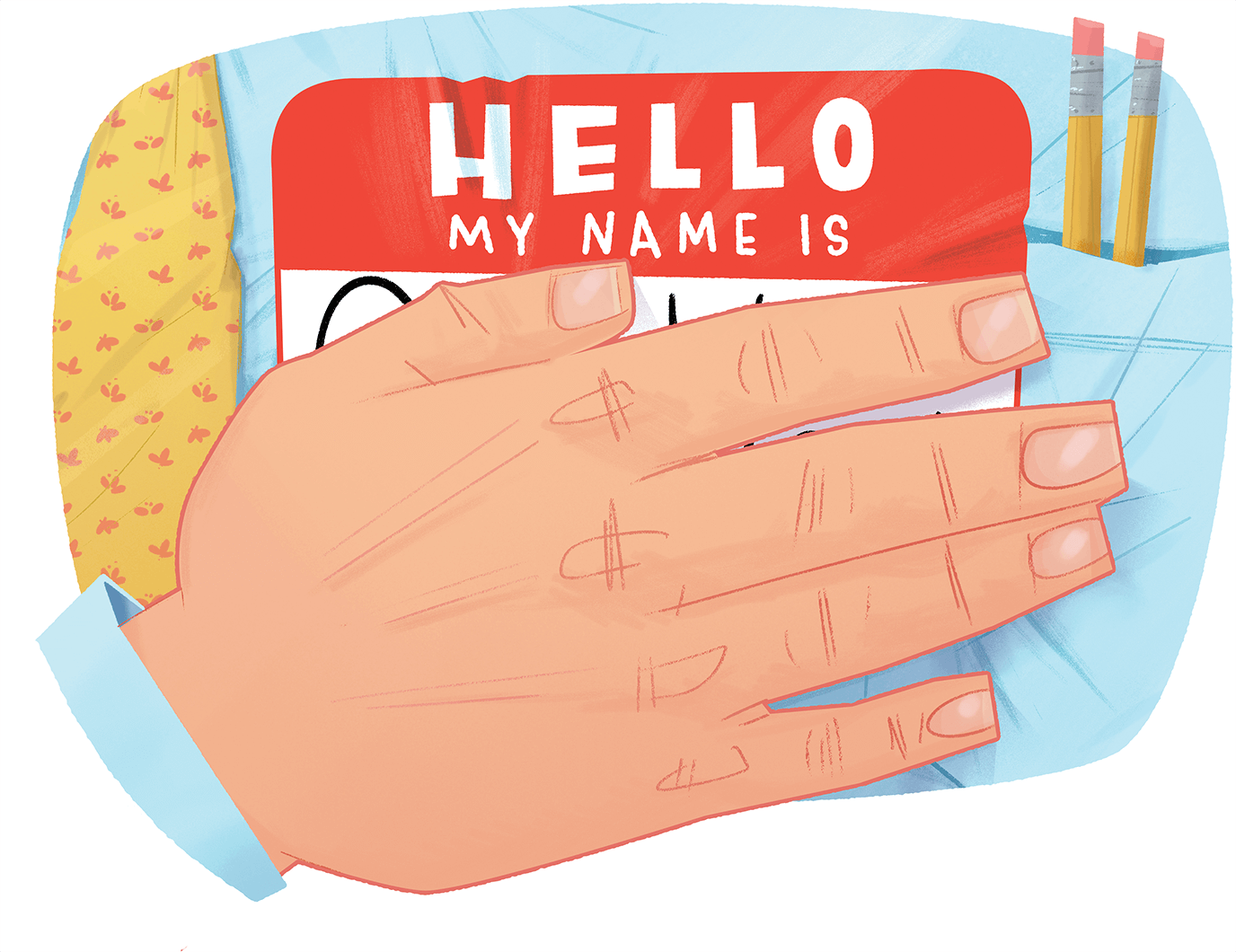
You鈥檝e just given the best speech of your life. Flush with the glow of victory, you leave the stage and say to your host, 鈥淭hanks for inviting me, Bob, I really enjoyed it.鈥� And Bob says, 鈥淢y name is Frank.鈥� Forget the meticulous preparation. Forget the enthusiastic applause. Forget the visions of professional speaker status. You are toast, my friend. The chance of 鈥淏ob鈥� inviting you back just went from 鈥淐an you make it next year?鈥� to 鈥淗ow about never?鈥�
Dale Carnegie said there is no sweeter sound to a person than their own name. And there鈥檚 no worse sound than 鈥淏ob鈥� when your name is Frank. This is why conventions always issue name tags to the attendees鈥攕o fights don鈥檛 break out between people who get each other鈥檚 names wrong. I personally think this is the way to world peace. If you look at our planet as one big convention with 7.7 billion participants all wearing name tags 鈥� well, it鈥檚 really hard to invade somebody鈥檚 country when they see you coming and say, 鈥淗ey, Larry, how鈥檝e you been?!鈥�
Unfortunately, this isn鈥檛 so easy. According to an article in Psychology Today, 85% of people middle-aged or older have trouble remembering names. I find that hard to believe, but then I鈥檝e already forgotten the writer鈥檚 name, so it must be true. The reason isn鈥檛 so much lack of memory as the fact that we just don鈥檛 care. When we鈥檙e introduced to somebody, we鈥檙e usually thinking of everything except the person鈥檚 name: Where鈥檚 the food? How does my new suit look? What can I say that鈥檚 witty? No wonder you run into the person you just met five minutes ago and say, 鈥淵ou look familiar. Do I know you?鈥�
Thankfully, there are ways to avoid this grievous social wrong. One memorization technique is to ask the person how to spell their name: 鈥淗ello, Danyon. Is that with an 鈥榦鈥� or an 鈥榚鈥�?鈥� This works particularly well with unusual names. Just don鈥檛 use it if the person鈥檚 name is Al.
It鈥檚 an immutable law of nature: People whose names you forget always know yours.
You can also use association. Another article suggested that if you happen to meet a Laurel from Brazil, you can 鈥渋magine her with a laurel wreath on her head while swimming in the Amazon River.鈥� I鈥檓 sure this is effective, but it鈥檚 a little too involved for me. I鈥檓 afraid I鈥檇 see Laurel and say, 鈥淗ow was your swim?鈥�
Connecting the name to a physical attribute is another strategy, although the example given in yet a third article seems a little excessive. She says for someone who has big ears and whose name is Brian, you might 鈥渋magine brains coming out of his ears.鈥� I might also scream every time I see Brian.
Repeating the person鈥檚 name helps as well. The right way would be: 鈥淣ice to meet you, Annika. Annika is such a pretty name.鈥� The wrong way would be: 鈥淣ice to meet you, Annika. I love the name Annika. You鈥檙e so lucky to be named Annika, Annika.鈥� This is a good way for Annika to remember your name as someone she never wants to see again.
You can also use visual imagery. Someone named Hamilton can be thought of as a ton of ham. Not a particularly appealing image but, boy, you sure won鈥檛 forget it. Or you can try rhyming: Dave needs a shave. I don鈥檛 recommend this because it requires a good memory, the very thing that is lacking. All you鈥檒l do is run into Dave and think, This guy needed something. What was it?
Now, you might be forgiven for not remembering a person鈥檚 name after one introduction. But how about several? How about those people whose names you really should know? You鈥檝e talked to them at parties, said hello at the grocery store, sat next to them at school plays. How could you not know their name鈥攅specially when they know yours! It鈥檚 an immutable law of nature: People whose names you forget always know yours. I think they do it just to show you up: I know your name and you can鈥檛 remember mine! I win! You can try to fake a feeble 鈥淗ey, buddy,鈥� or 鈥淗i, gorgeous,鈥� but they know 鈥� and you just got disinvited to their pool party.
So find a way to remember names. People will like you so much, they鈥檒l probably overlook most of your many obvious personal shortcomings.
Share this article
John Cadley is a former advertising copywriter, freelance writer, and musician living in Fayetteville, New York. Learn more at .
 Previous Article
Related Articles

Funny You Should Say That